
Stolit Milano Render: A Fine, Sandable Finishing Render for Decorative Walls
Last updated 17 November 2026

Stolit Milano render is Sto's very fine, sandable finishing render: an organic, water-based topcoat that gives a wall a smooth-looking surface with the depth and character of a hand-worked finish. Engineered in Germany and supplied by Sto Australia, it is designed for architects, specifiers and builders who want a refined finish for exterior and interior walls, with a wide choice of colour.
This page covers what Stolit Milano is, the looks it can achieve, the colours available, and how it is applied. To compare it with the rest of the range, see our Sto finishing renders overview, or go straight to the Stolit Milano technical data sheet.
What is Stolit Milano render?
Stolit Milano is an organic, ultra fine-grained finishing render. Sto's technical data sheet describes it as a free-style textured render for fine-textured, freely decorated surfaces. As a fine textured render with a grain finer than 0.1mm, it gives a smooth render finish that still carries the character of a trowelled surface rather than the flat uniformity of a paint film. It arrives ready to use in a 25kg pail, tinted at the factory to your chosen colour.
Applied over a prepared base, it forms the final, visible layer of the wall: the layer that carries the colour, sets the texture and takes the weather. Stolit Milano is water-repellent and weather-resistant, and it stays permeable to water vapour, so the wall can breathe while the surface sheds water. It is highly breathable and mildew resistant, which suits walls that need a low-maintenance finish.
A smooth, sandable render finish with decorative range
Stolit Milano is built up by trowel, so the finished look depends on the technique used. Sto's data sheet describes a fine to coarse spotted trowelling technique. The finish is applied in a spot pattern with a finishing trowel, then float-finished with a damp velour latex sponge to give a relatively smooth, but not totally even, surface. A spot-smoothed finish is applied in one to two cycles, and the more densely it is applied, the calmer the effect.

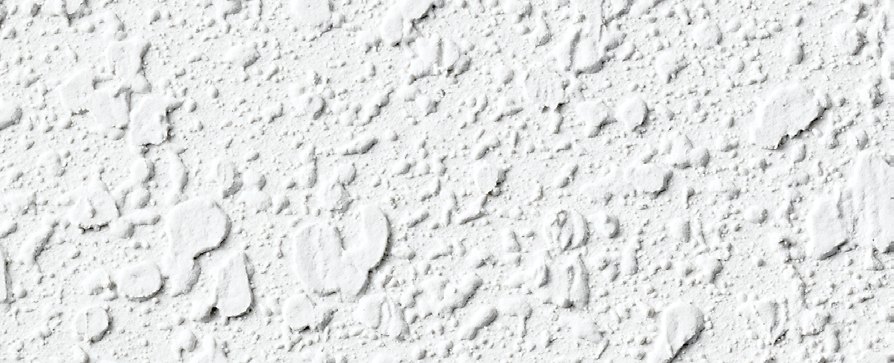
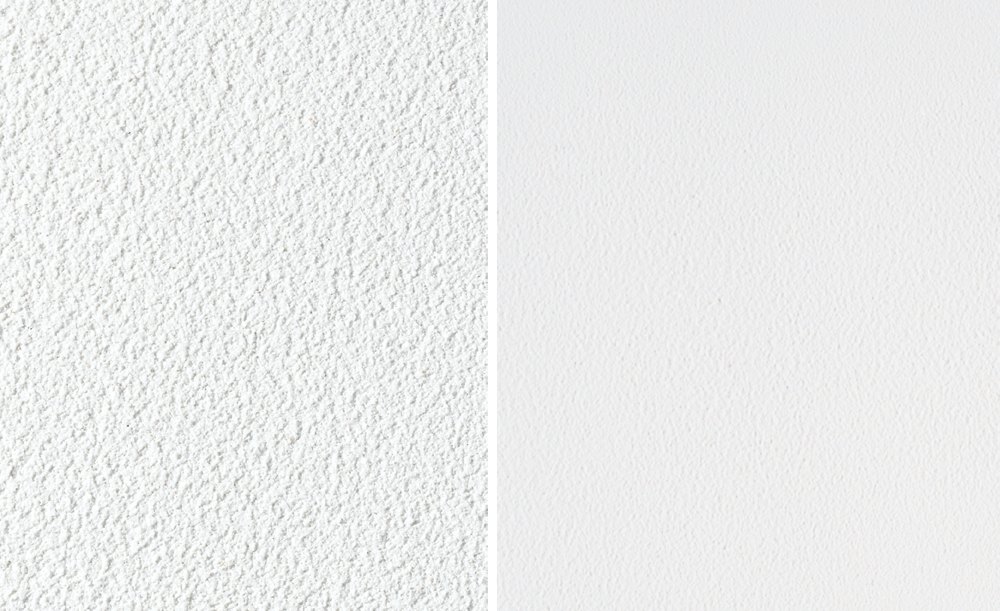
That flexibility makes Stolit Milano a decorative render finish as much as a protective one. Used with StoSignature surface techniques, which follow separate application instructions, it can create looks from a fine, plaster-like surface to the industrial feel of concrete or ultra-smooth metal panels. It is also suitable for reveals and edgings.
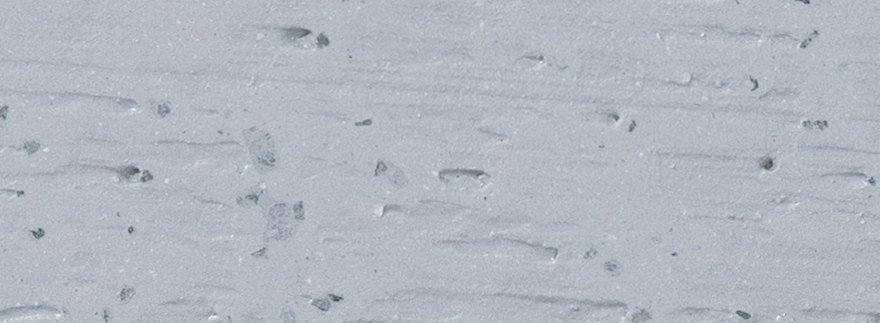
Stolit Milano is well suited to sanding once it has dried, so an applicator can refine the surface. Sanded areas appear lighter, and sanding spots stay visible unless they are reworked, so it pays to agree the finish on a sample area first. Once cured, Stolit Milano can also be overcoated with Sto products such as Lotus-Effect® coatings, where additional protection or colour stability is wanted.
A coloured finishing render, tinted from the StoColor System
Stolit Milano is supplied white and tinted at the factory. It can be tinted to any shade in the StoColor System, an 800-colour architectural palette, and is also available on request in a wide range of other shades. Because tinting is done at the factory, it cannot be adjusted on site, so confirm your shade before you order.
Three points are worth settling at specification stage. First, where the chosen shade has a light reflectance value of 15 or more, Sto's data sheet says no additional finish is necessary; for darker or more intense shades, additional coats improve colour stability, because weathering, UV radiation and moisture can change colour over time. Second, the texturing grain is natural white marble, so its natural graining can show as darker flecks, and in light, clear yellow shades the grain colour can read through across an area. This is a property of a marble-filled render rather than a defect. Third, when several people apply the finish, their different application styles can produce different surface effects, and when several colours are used, work should start with the darkest shade. A site sample shows how your chosen shade and technique will look.
Where Stolit Milano is used
Stolit Milano is a finishing render for decorative wall surfaces, both exterior and interior. On exterior walls it is applied over a Sto base coat on masonry, insulated and rainscreen cladding facades, on both mineral and organic substrates, as a thin-layer, multi-layer finishing render. In practice it is specified as the finishing layer of a Sto render system: the substrate and base coat are chosen first, and Stolit Milano is selected to suit. Browse our Sto render systems by construction type. For interior walls, a Sto consultant can advise on the right build-up for your substrate.
Stolit Milano is not designed for horizontal or sloping surfaces that are exposed to weathering, where water would otherwise sit on the surface. Sto's render systems are BRANZ appraised, and appraisal coverage is specific to each system and substrate, so confirm with a Sto consultant which appraisal applies to your project.
Stolit Milano technical performance
The figures below come from Sto's Stolit Milano technical data sheet. They are average values, and because the render uses natural raw materials they can vary slightly between batches without affecting suitability. The test methods are European (EN) standards, as published by the manufacturer.
| Property | Value | Test method / note |
|---|---|---|
| Pack size | 25kg pail | — |
| Colour | White, tinted at the factory to the StoColor System | — |
| Grain | Fine, under 0.1mm | — |
| Density | 1.7–1.9 g/cm³ | EN ISO 2811 |
| Water permeability rate (w) | Less than 0.05 kg/(m²·h0.5), class W3 (low) | EN 1062-1 |
| Water vapour diffusion-equivalent air layer thickness (sd) | 0.40–0.44m, class V2 (medium) | EN ISO 7783 |
| Approximate consumption | Overall build-up: 2.20–2.50 kg/m² (filler base coat 1.50, intermediate filler coat 0.50, spot-smoothed finish 0.20–0.30 per application cycle) | Guide only; depends on substrate, application and consistency |
| Application temperature | +5 °C to +30 °C (substrate and air) | Not in intense direct sunlight or onto heated substrates |
| Overcoating | Filler base coat after about 8 hours; spot-smoothed finish after about 1–3 hours | At about 20 °C and 65% relative humidity |
| Sanding | After about 24 hours at the earliest; final hardness after about 28 days | At about 20 °C and 65% relative humidity |
Scroll sideways to see the full table.
In plain terms, the low water permeability rate shows that the surface resists liquid water, while the medium vapour class means moisture vapour can still pass through the wall.
Applying Stolit Milano
Stolit Milano is applied by hand by trained Sto-registered applicators over a prepared base. The substrate must be firm, dry, clean and load-bearing, and free of sinter layers, efflorescence and release agents; damp or not fully cured substrates can cause bubbling and cracking in the coating. On mineral substrates, Sto recommends an adhesion-promoting, absorbency-regulating intermediate coat. The smoother, glossier and more colour-intense the surface should be, the more time-consuming the substrate preparation, so it is worth planning for early.
The finish is built up in stages. A filler base coat is applied non-directionally, in a criss-cross pattern, at no more than about 1.0mm per application cycle, in one or two cycles depending on the substrate. Larger unevenness is levelled with a better-filling material, and any spatula burr is ground down. Stolit Milano is then applied by trowel in a spot pattern and float-finished, once or twice depending on the desired appearance. It should be diluted with as little water as possible, because too much dilution impairs application, hiding power and colour intensity.
Stolit Milano is applied between +5 °C and +30 °C at the substrate and in the air, out of intense direct sunlight and never onto heated substrates. Strong air movement during application and early drying can increase shrinkage cracks and pores. At around 20 °C and 65% relative humidity the filler base coat can be overcoated after about 8 hours, and the finish after 1–3 hours; higher humidity, lower temperatures and low air exchange lengthen these times. Freshly finished walls should be protected from rain until they are dry.
Stolit Milano data sheets and downloads
The technical data sheet and the material safety data sheet for Stolit Milano are available below. Please check that you are working from the current versions before you specify, and contact Sto Australia if you need help finding the right document for your project.
Stolit Milano in the Sto finishing range
Stolit Milano is part of a range of coloured finishing renders that Sto has refined for decades, engineered in Germany by a group with ISO 9001 and ISO 14001 certified management systems. Within the same family, Stolit K render offers a stippled finish in four grain sizes and Stolit MP a fine finish, so you can compare textures before you specify. Stolit Milano is the one to consider when the brief calls for a very fine, smooth-looking surface with room for decorative technique.
Specify Stolit Milano with Sto Australia
Sto Australia's technical consultants can help you choose a technique, check shade suitability and match Stolit Milano to your substrate and render system, with plan review and mock-up assistance available. Tell us about your substrate, wall and preferred shade, and a consultant will respond during business hours, Monday to Friday, 7:00am to 3:30pm. Request a quote or call +61 3 9768 4900.
Frequently asked questions
What is Stolit Milano used for?
Stolit Milano is a very fine, coloured finishing render for decorative exterior and interior walls. On exterior walls it is applied over a Sto base coat on masonry, insulated and rainscreen cladding facades, and it provides the colour, the texture and much of the weather protection. It is not a paint, and it is not intended for horizontal or sloping surfaces exposed to weathering.
How do I choose between Stolit Milano, Stolit K and Stolit MP?
The choice is mainly about texture. Stolit Milano gives a very fine, smooth-looking and sandable finish with scope for decorative techniques, Stolit K gives a stippled finish in four grain sizes, and Stolit MP gives a fine finish. You can compare all three on the Sto finishing renders page, and a Sto consultant can help you match a texture to your design.
Can Stolit Milano be sanded?
Yes. Stolit Milano is well suited to sanding once it has dried. At about 20 °C and 65% relative humidity it can be sanded after about 24 hours, and it reaches final hardness after about 28 days, after which it is more difficult to sand. Sanded surfaces appear lighter, and sanding spots stay visible if they are not reworked, so it is worth agreeing the finish on a sample area first.
Can Stolit Milano be tinted to any colour?
Stolit Milano can be tinted to any shade in the StoColor System, and is also available on request in a wide range of other shades. Tinting is done at the factory, so confirm your shade before ordering. Strong colours can change with weathering and UV exposure, and additional coating improves their colour stability.
How long does Stolit Milano take to dry?
Stolit Milano dries physically as water evaporates. At about 20 °C and 65% relative humidity, the filler base coat can be overcoated after about 8 hours and the spot-smoothed finish after about 1–3 hours. Higher humidity, lower temperatures and low air exchange lengthen the drying and curing times, so allow extra time in cool or damp conditions.